

Automatic Shutdown Of The Unit Due To Excessively High Water Temperature? Quickly Check 5 Common Causes; A Tutorial For Beginners – Just Follow The Instructions.
Sep 07, 2026
Leave a message

Automatic shutdown of the unit due to excessively high water temperature? Quickly check 5 common causes; a tutorial for beginners – just follow the instructions.
Every summer during high-temperature weather, diesel generator sets are prone to issues such as water temperature soaring and automatic shutdown due to high-temperature protection.
Most high-temperature faults do not require professional repair tools and can be identified with just visual observation and simple manual operations. Today, we have compiled the 5 most common causes, along with daily preventive measures, so that even novice operators can quickly start troubleshooting.
1. Radiator Blockage in the Water Tank (Top Summer Failure)
Units used outdoors or placed at construction sites are highly prone to dust, silt, and construction debris attaching to the gaps of the radiator fins, obstructing air cooling.
Inspection method: After stopping the machine and allowing it to cool, check the surface of the radiator; if it is covered with dirt, it is blocked.
Treatment: Use clean high-pressure water at low pressure to rinse the radiator fins; direct high-pressure spraying on the fins is prohibited as it can cause deformation.
2. Coolant Loss, Deterioration, or Mixing of Different Antifreezes
Insufficient coolant will directly reduce cooling capacity; antifreeze that is not replaced for a long time can produce scale and block the water channels; mixing different types of antifreeze can cause chemical reactions that corrode the engine block.
Inspection: Open the radiator or auxiliary water tank; if the fluid level is below the scale line or the liquid appears murky and black, it indicates an abnormality.
Treatment: Replenish with coolant of the same type and fully replace the antifreeze every 2 years.
3. Poor Ventilation in the Machine Room:
The enclosed machine room is filled with clutter around the units, and direct sunlight shines on the equipment. Air cannot circulate, hot air accumulates around the equipment, and heat dissipation efficiency significantly decreases.
Inspection: The machine room feels stuffy during operation, and no obvious hot air is discharged from the vents.
Handling: Clear clutter within 1 meter around the units, install exhaust fans in the machine room, and avoid long periods of full-load operation outdoors at noon.
4. Thermostat Stuck and Unable to Open:
The thermostat is a core component controlling the circulation of the coolant. If it is stuck and closed, the coolant will only circulate minimally, and heat cannot enter the radiator for dissipation, causing the water temperature to spike rapidly.
Inspection: After starting the chiller, the water temperature rises rapidly in a short time, and there is a significant temperature difference between the top and bottom of the radiator.
Handling: Directly replace with a brand-new thermostat; it is a consumable part, and it is recommended to keep spare parts on hand.
5. Fan Belt Looseness and Abnormal Water Pump Operation:
Belt slippage can cause insufficient fan speed for heat dissipation; aging water pumps slow down the circulation, causing overall heat dissipation failure.
Inspection: Pressing the belt reveals it is loose and slipping, and the belt makes a screeching noise during operation.
Handling: Adjust the belt tension, and directly replace the whole set of belts if they are aged or cracked.
Daily Preventive Tips:
1. Check the cleanliness of the radiator once a week in summer, and regularly remove dust and debris;
2. Check the coolant level before each start to prevent operation without water;
3. Run backup units without load for 10-15 minutes every month to keep water circulation and avoid scale buildup in the pipes;
4. Avoid the highest temperature period at noon during full-load work to reduce heat dissipation load.
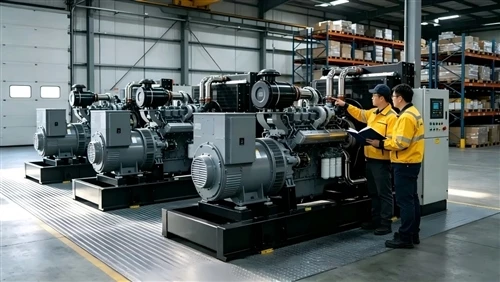
High-temperature shutdown of the unit is a self-protection mechanism. Forcing repeated startups can easily cause cylinder damage and engine failure. If a high-temperature alarm is detected, you must stop the machine immediately to cool down before inspection and maintenance.
Various faults such as generator overheating, alarms, and shutdowns will be continuously updated with practical troubleshooting tips. Remember to follow us so you don't get lost!