

How should antifreeze for the water tank of a diesel generator set be selected?
Sep 16, 2026
Leave a message

Ⅰ. First, distinguish between two core types (strictly do not mix them)
1. Ethylene glycol type (preferred for general unit use).
99% of diesel generators on the market come with ethylene glycol antifreeze, available in two formulations:
- OAT long-lasting organic acid type (recommended)
red/pink, lifespan 2000 hours/2–5 years, strong corrosion resistance, compatible with copper, aluminum, cast iron, and steel. Standard on new diesel engines, resistant to corrosion of radiator, intercooler, and oil cooler.
- Traditional IAT inorganic salt type (old units)
green/blue, lifespan 600–1000 hours, contains silicates, prone to scale formation with long-term use, suitable for older cast iron engines, aluminum radiators not recommended for long-term use.
2. Propylene glycol type (rarely used):
Low toxicity, expensive, only used in food factories and special explosion-proof generators; not recommended for general construction sites or backup units.
Ⅱ. Choose freezing point based on ambient temperature (most critical)
Antifreeze is raw liquid, mixed with pure water; finished products have different freezing points, with the local minimum temperature at 10°C is the selection standard.
1. In southern China, year-round above 0°C: -25°C antifreeze is sufficient.
2. Central and East China winter temperatures are -5~10°C: -35°C
3. In northern and northeastern Mongolia, winter temperatures around -20°C: -45°C.
4. In extremely cold regions below -30°C: -50°C.
Contraindications: Do not add pure concentrate; pure ethylene glycol solution has a freezing point of only -13°C, so it must be diluted with water in proportion; Also, do not add too much water, as freezing point does not meet standards for freeze-cracking water tanks.
Blending reference (ethylene glycol)
- -25°C: 40% base liquid, 60% soft water;
-35°C: 50% original liquid; soft water 50%
- -45°C: 60% original liquid, 40% soft water.
Only distilled or deionized soft water can be used for water addition. Tap water contains calcium and magnesium ions, and high-temperature scaling can clog the tank and water channels, causing high-temperature tank pulling.
III. Hard Selection Criteria for Generator Set Specialization
1. Boiling point ≥108℃
When the generator operates at full load, the water temperature is 85–95℃. A high boiling point prevents boiling and high-temperature alarms due to vapor lock.
2.Compatible Materials
Radiator made of aluminum, engine block cast iron, water pipes copper, seals rubber, must indicate compatibility with aluminum radiators; inferior antifreeze corrodes aluminum radiators, causing holes and leaks within six months.
3. 3. With anti-rust, anti-scale, and anti-foaming additives
Continuous operation of the unit can easily generate bubbles that cause cavitation in the cylinder liner; the anti-foaming formula protects the water passages. The phosphate-free, low silicate version is not prone to clogging the water tank.
4. Dedicated for genuine diesel engines;
do not buy cheap, generic diesel generator sets for long periods or intermittent full loads; do not buy cheap, low-grade antifreeze.
Ⅳ Colors are only distinguished, not judged by quality
- Red/Pink: Long-lasting OAT
- Green/Blue: Traditional short-lived IAT
Different colors should not be mixed; mixing them will cause chemical reactions that produce flocs that clog the radiator and cause high-temperature malfunctions.
It is also not recommended to mix the same color but different brands.
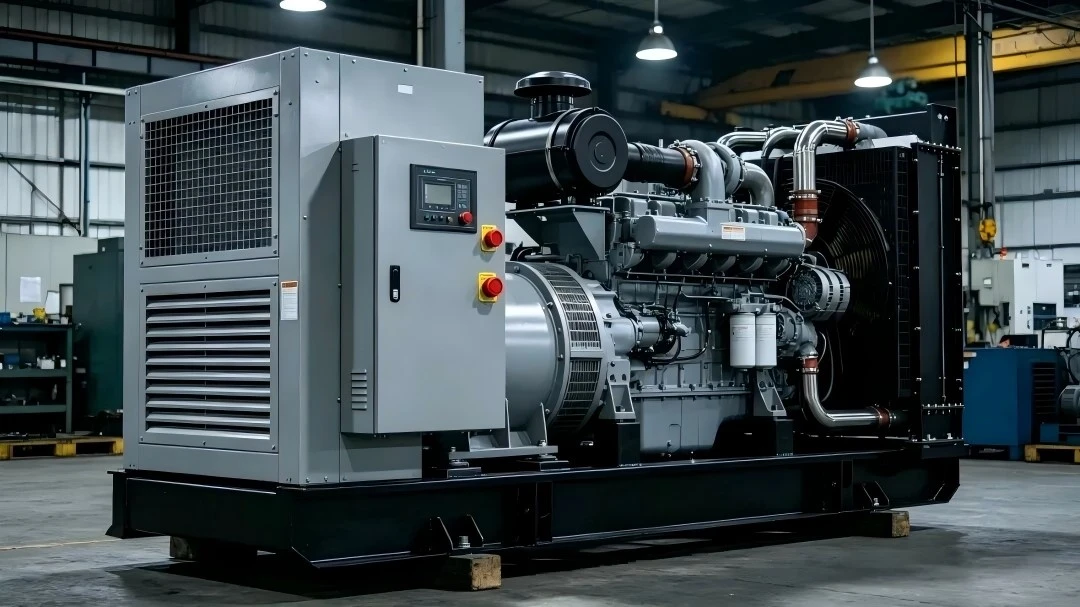
Ⅴ. Key Points to Avoid Pitfalls
1. Do not add tap water or well water directly;
2. Do not only seek cheap, low-quality antifreeze, which can corrode the radiator and water passages and lead to high maintenance costs;
3. Do not mix different types or colors of antifreeze;