

Are You Familiar With The Rated Power And Standby Power Indicated On The Nameplate Of A Diesel Generator Set?
Jul 27, 2026
Leave a message

Rated Power (PRP / Prime Power) and Standby Power (ESP / Emergency Power) are the two most critical power indicators of a generator set. The core differences lie in the nature of usage, allowable duration, and load capacity.
1. Rated Power (PRP / Prime Power)
- Definition: The maximum power the generator can continuously and stably deliver under variable load conditions.
- Operating Rules:
- Can operate continuously 24 hours without shutdown.
- Allowed to overload by 10% for 1 hour within every 12 hours.
- No annual running time limitation.
- Numerical Relationship: This value is usually marked as the main rating on domestic nameplates.
- Applicable Scenarios: Factories, mines, oilfields, and other sites without mains electricity, used as the primary power source for long-term operation.

2. Standby Power (ESP / Emergency Power)
- Definition: The maximum power output for a short period only in the event of a mains power outage.
- Operating Rules:
- For emergency use only; cannot run continuously for a long period.
- Annual cumulative running time ≤ 200 hours.
- Overloading is not allowed.
- Numerical Relationship: Usually = Rated Power × 1.1 (10% higher).
- Applicable Scenarios: Emergency power supply for hospitals, residential areas, and data centers.
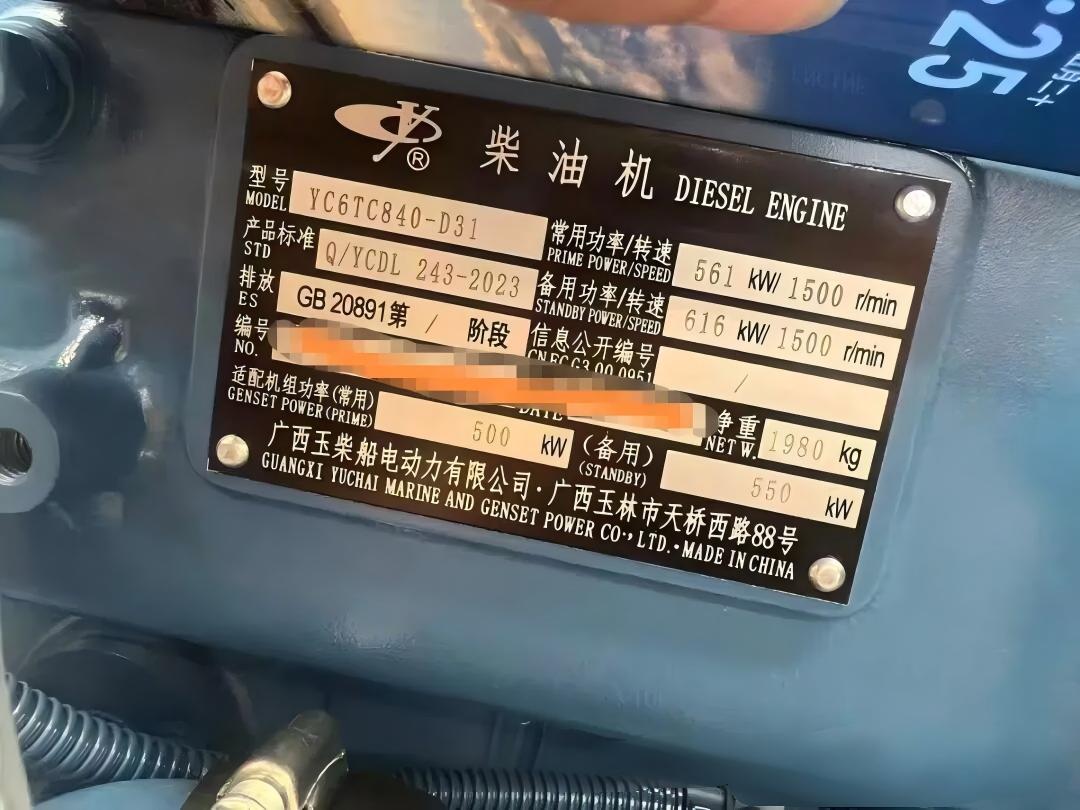
3. Core Comparison (At a Glance)
- Rated Power (Prime)
- ✅ Long-term stable: continuous 24h, unlimited yearly
- ✅ Allowed overload: 10% overload for 1h within 12h
- 🔋 Used as primary power source
- Standby Power (Emergency)
- ⚠️ Short-term emergency: annual cumulative ≤200h
- ⚠️ Strictly prohibited for long-term: continuous full load may damage the generator
- 🚨 Used only during power outages