

Diesel Engine Mechanical Pump → Electronically Controlled Pump → Third-Generation Common Rail Principle Comparison (Ultra-Simplified Quick Reference Version)
Aug 25, 2026
Leave a message

Diesel Engine Mechanical Pump → Electronically Controlled Pump → Third-Generation Common Rail Principle Comparison (Ultra-Simplified Quick Reference Version)
Earlier, we discussed the working principles of mechanical pumps, electronically controlled pumps, and high-pressure common rail fuel supply systems. Please see the following articles:
https://www.zwcummins.com/news/working-principle-of-mechanical-fuel-injection-85619231.html
Working Principle of Diesel Engine Mechanical Fuel Injection Pump (Plunger Injection Pump)
https://www.zwcummins.com/news/working-principle-of-diesel-engine-electronic-85619240.html
Working Principle of Diesel Engine Electronically Controlled Pump (Electronic Control Injection Pump/Electronic Speed Control Pump)
https://www.zwcummins.com/news/working-principle-of-diesel-engine-high-pressu-85620029.html
Working Principle of Diesel Engine High-Pressure Common Rail Fuel Supply System
Now, let's summarize these three major fuel supply systems.
Mechanical Pump → Electronically Controlled Pump → Common Rail: Comparison of Third-Generation Diesel Engine Principles (Ultra-Simplified Memorization Version)
Ⅰ. Core Positioning in One Sentence:
1. Mechanical Plunger Pump (First Generation): Pure mechanical hard linkage, injection entirely relies on cam, speed regulated by spring.
2. Electronically Controlled Pump (Second Generation): Based on mechanical pump, electronically controlled speed, only changes speed control, injection pressure remains unchanged.
3. High-Pressure Common Rail (Third Generation): Independent high-pressure accumulation, fully electronic control at all times, constant pressure, strongest injection flexibility.

II. Quick Comparison by Item
1. Pressure Source
- Mechanical Pump: Plunger pumps oil once per cycle, injection pressure fluctuates with speed, extremely low at low speed
- Electronically Controlled Pump: Still a plunger pumps oil once per cycle, pressure fluctuates with speed, same source as mechanical pump
- Common Rail: High-pressure pump continuously supplies pressure to the common rail, rail pressure remains stable throughout, high and low speed pressures remain unchanged
2. Injection Timing/Oil Quantity Control
- Mechanical Pump: Camshaft → plunger → rack → flyweight spring, purely mechanical linkage; oil quantity and timing are tied to speed and cannot be adjusted separately
- Electronically Controlled Pump: Retains plunger pump body; removes flyweight mechanical governor, uses solenoid/stepper motor electronic control to drive the rack; only optimizes speed stability, injection timing still mechanically fixed
- Common Rail: ECU collects speed, water temperature, boost, and load signals to directly control the injector solenoid; oil quantity, injection timing, and number of injections are fully independently adjustable
3. Number of Injections
- Mechanical Pump: Single main injection, cannot perform pre-injection or post-injection
- Electronically Controlled Pump: Still single injection, only speed control is more precise, no multiple injections
- Common Rail: Multi-stage injection including pre-injection, main injection, and post-injection
4. Advantages and Disadvantages Quick Notes
Mechanical Pump
✅ Simple structure, durable, cheap to maintain, low electronic failure rate
❌ High fuel consumption, loud noise, poor emissions, unstable idle, low speed control accuracy
Electronically Controlled Pump
✅ Inherits durability of mechanical pump, electronic speed control, stable idle, minimal speed fluctuation; low modification cost
❌ Pressure varies with speed, cannot perform multiple injections, low emission limit, only a transitional solution
High-Pressure Common Rail
✅ Constant pressure injection, multi-stage injection, low fuel consumption, low noise, meets emission standards, quick power response, compatible with China IV and V standards
❌ Many precision components, requires high diesel cleanliness, high maintenance cost
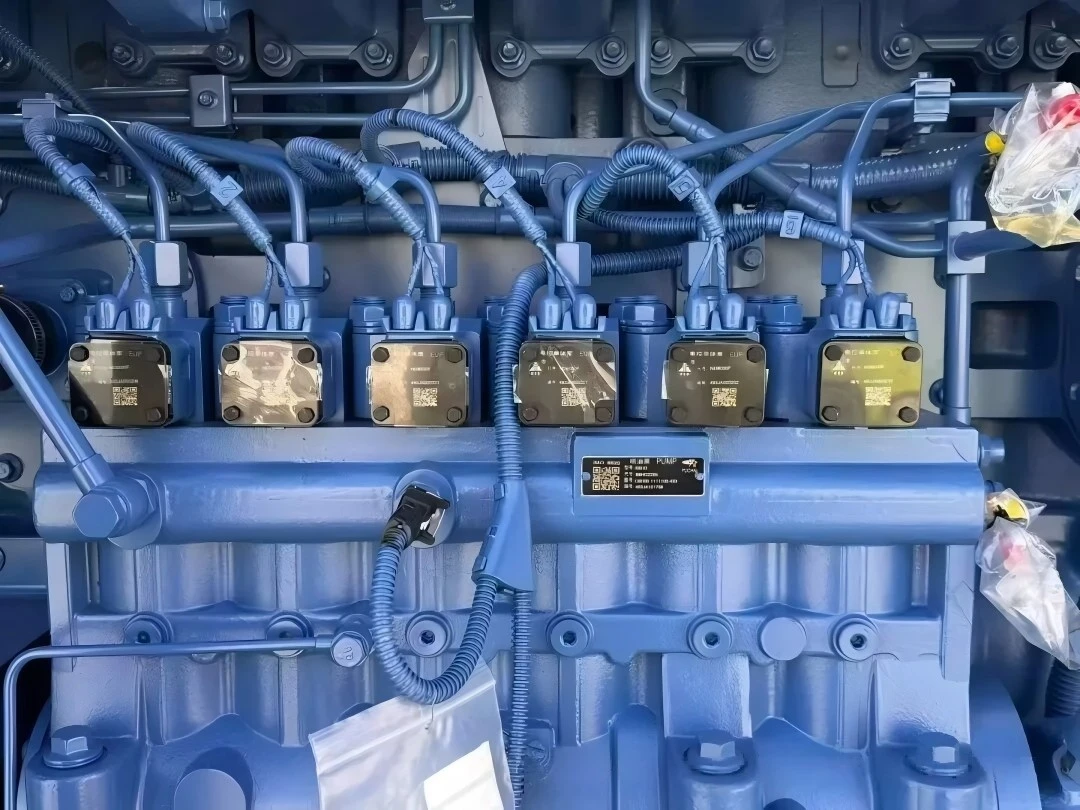
5. Applicable Stage Notes
- Mechanical Pumps: National I and National II agricultural machinery, old trucks, construction machinery
- Electronically Controlled Pumps: National II upgrading to National III transitional models, simple electronic control upgrades for old models
- Common Rail: National III and above passenger vehicles, trucks, high-end construction machinery, mainstream active solutions