

What Is The Air Gap Between The Rotor And The Stator Of The Generator?
Aug 15, 2026
Leave a message

This gap is called the air gap, which is the radial layer of air between the inner circle of the stator core and the outer circle of the rotor core.
1. How big is the air gap (per side)
- Small diesel generator: 0.5–2 mm
- Small to medium-sized synchronous generator: 1–3 mm
- Large turbo generator: 2–8 mm (the higher the speed and the larger the capacity, the larger the air gap)
- Requirement: Evenly around the circumference, deviation generally should not exceed ±5% of the average value.
2. Why an air gap is necessary
1. Mechanical: Prevent collision and rotor scraping. The rotor rotates at high speed, expands due to heat, and bearings may have runout; leaving a gap avoids direct friction between stator and rotor ("scraping").
2. Electromagnetic: The magnetic field must pass through the rotor → air → stator to generate electricity; the magnetic resistance of air is much higher than that of iron, so the larger the air gap, the greater the magnetic resistance, requiring more excitation current.
3. Heat dissipation and vibration: The air gap is a cooling airflow channel; a uniform air gap can reduce unbalanced magnetic pull, lowering vibration and noise.
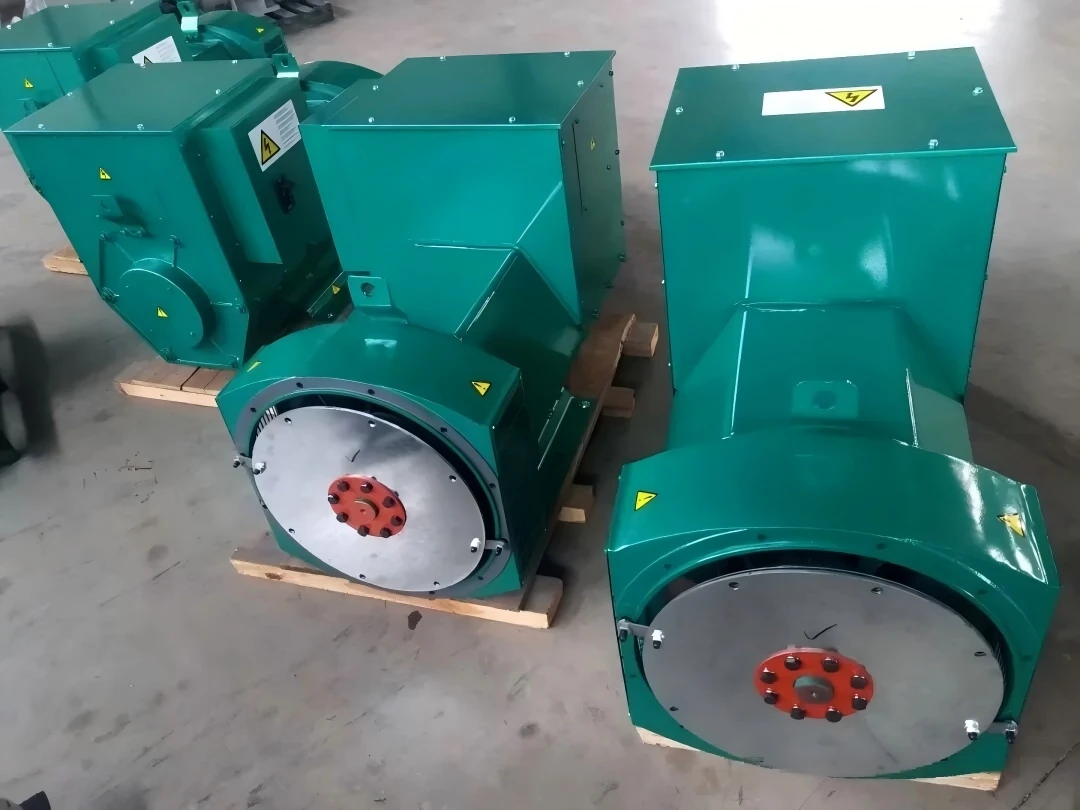
3. Consequences of too small/too large air gaps
- Too small: Easy scraping, high harmonics, high temperature rise, high noise.
- Too large: Excitation current increases, losses increase, efficiency decreases, voltage regulation worsens.
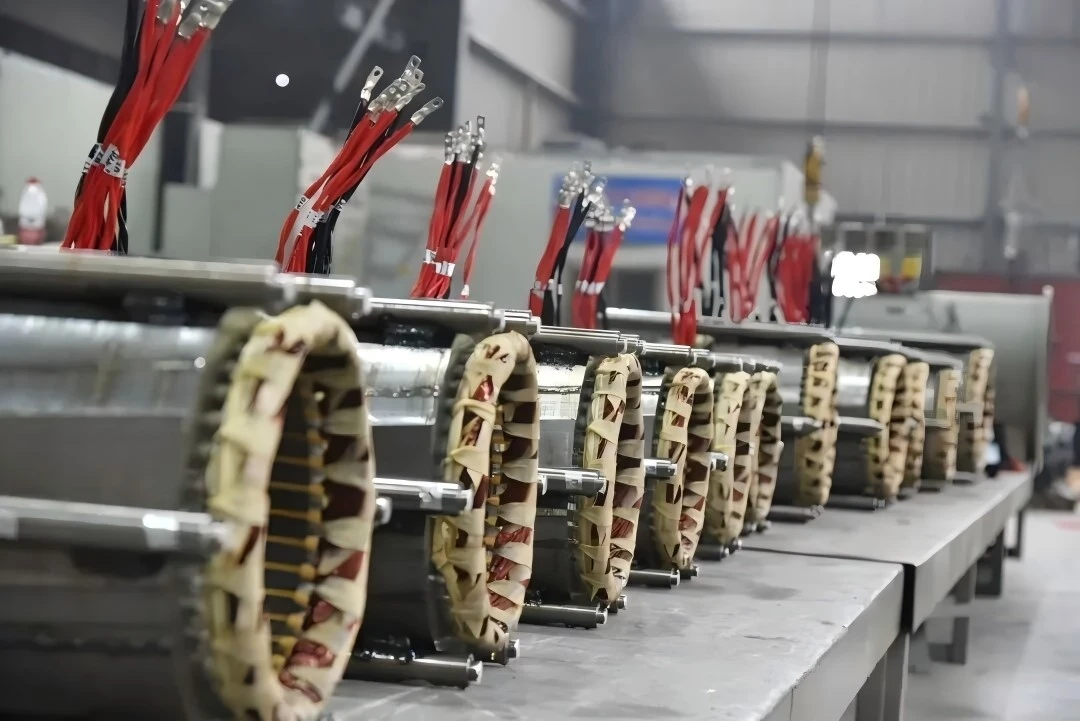
4. Remember in one sentence
The air gap is the thin layer of air between the stator and rotor: too small causes scraping, too large wastes electricity, and uniform is best.